
How the Layer Beneath Your Shingles Protects Your Home From Leaks and Damage
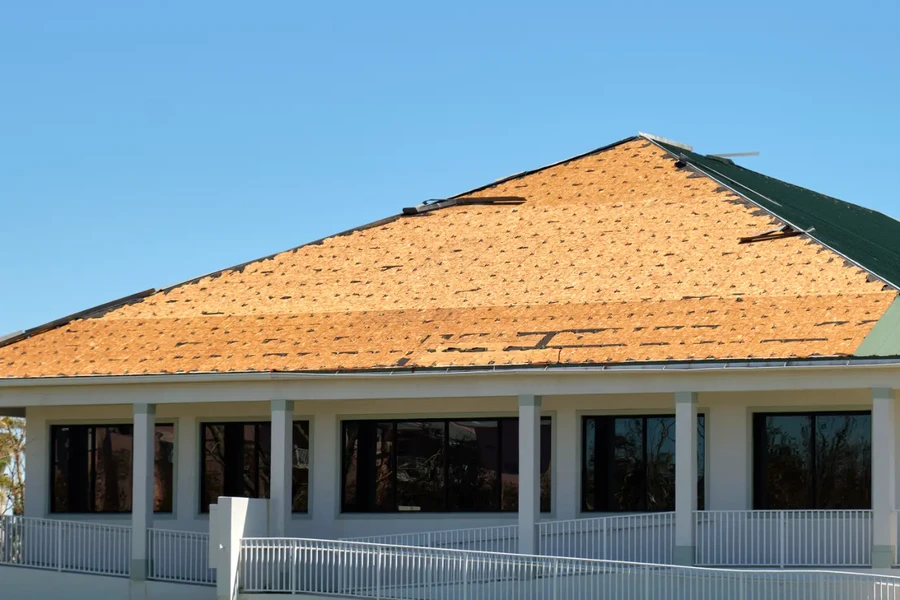
The underlayment is the protective layer that sits between your roof deck and your shingles. Its main job is to block water, reduce moisture buildup, and add a second line of defense if shingles fail. During a roof replacement, this layer plays a big part in how long your new roof lasts and how well it handles wind and rain.
Quick Answer: Why Underlayment Matters
Underlayment protects your home when shingles crack, lift, or blow off. It helps stop rain from soaking into the wood deck. It also adds protection against ice, wind-driven rain, and heat. Without it, even a small gap in shingles can lead to leaks and wood rot. A strong underlayment helps your entire roofing system perform better.
What You Need to Know Before Installation
Before starting a roof replacement, it helps to know there are different types of underlayment. The most common options are:
- Asphalt-saturated felt
- Synthetic underlayment
- Rubberized asphalt (often used in valleys and edges)
Each type has a purpose. Felt is affordable and widely used. Synthetic is lighter and more tear-resistant. Rubberized asphalt works well in areas that collect water. Climate, roof slope, and budget all affect which type is best.
Step-by-Step: How Underlayment Is Installed
A proper installation makes a big difference in roof performance. Here is the basic process during a roof replacement:
- Remove old shingles down to the wood deck.
- Inspect the deck for rot or soft spots.
- Replace any damaged wood.
- Install drip edge along the roof edges.
- Roll out underlayment across the deck.
- Overlap each row to block water from slipping through.
- Secure it with nails or cap fasteners.
- Add extra waterproof membrane in valleys and around vents.
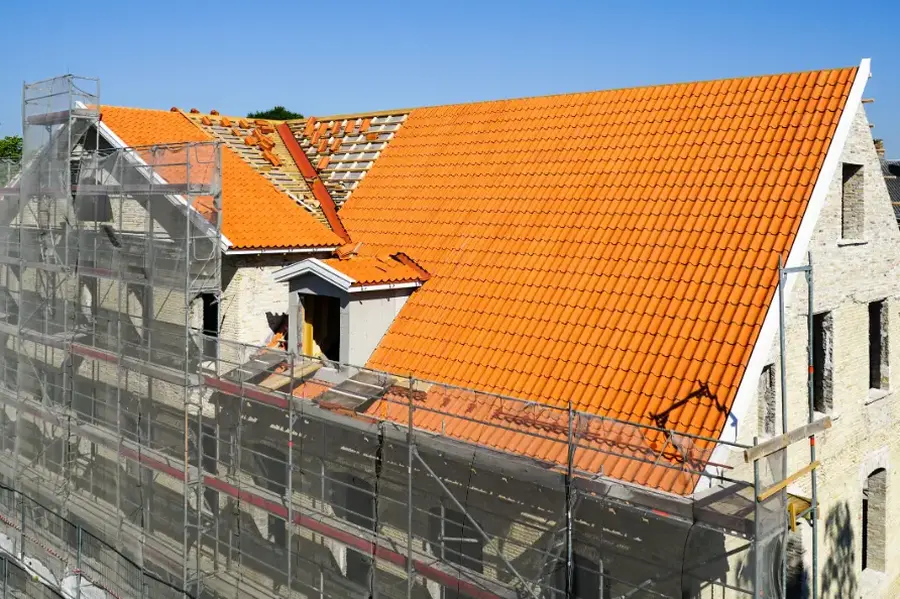
Each layer overlaps the one below it. This helps water flow down instead of getting trapped. Once the underlayment is secured, shingles go on top.
Common Mistakes to Avoid
Even good materials will fail if installed the wrong way. Here are mistakes that can lead to problems:
- Not overlapping seams enough
- Leaving gaps around vents or chimneys
- Using the wrong fasteners
- Skipping waterproof membrane in leak-prone spots
- Installing over a damaged roof deck
These issues can let water sneak below the shingles. Over time, this may cause mold, ceiling stains, or sagging wood. Cutting corners on underlayment can shorten the life of the whole roof system.
When to Call a Professional
Some homeowners spot a leak and think new shingles will fix it. In many cases, the real problem is below the surface. If your roof has active leaks, soft decking, or storm damage, it is smart to have a trained roofing crew inspect it.
During a roof replacement, professionals look at ventilation, flashing, and decking along with the underlayment. They also follow local building codes that may require certain types of materials. A skilled team can spot small problems before they grow into major repairs.
Why Underlayment Is a Smart Investment
Homeowners often focus on shingle color and style. While looks matter, protection matters more. Underlayment helps manage moisture and heat buildup in the attic. It acts as backup protection during heavy storms. It also supports the shingles above it so they perform as designed.
If you live in an area with strong winds or heavy rain, this layer becomes even more important. Ice and water shield products, placed near eaves and valleys, can prevent damage during freezing weather. Choosing the right materials during a roof replacement can save money on future repairs.
Get Expert Help With Your Roofing Project
If you are planning a roof replacement in Sammamish, WA, we can inspect your current roof and explain the best underlayment options for your home. At Rainier Roof Restoration, we focus on installing every layer the right way so your roof performs well for years. Call us at (425) 296-0449 to schedule an inspection or ask questions about your upcoming project.