
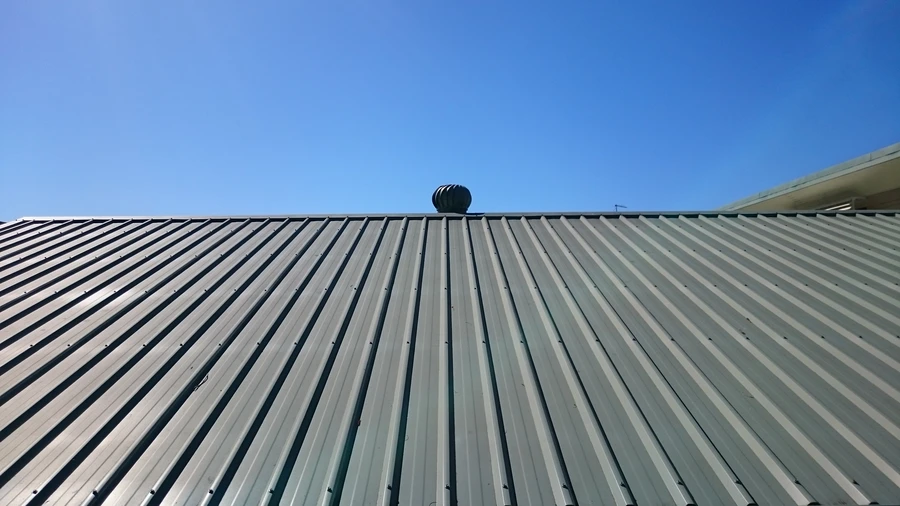
How Proper Attic Airflow Pulls Moisture Out of Your Home
Roof vents lower indoor humidity by moving damp air out of your attic and pulling in fresh outside air. When hot, moist air gets trapped above your ceiling, it can seep back into your living space. Proper roof vent installation creates steady airflow that helps moisture escape before it turns into mold, stains, or rot.
What You Need Before Starting
Before starting a roof vent installation, you need a clear plan. Not all homes use the same type of vent. Some have ridge vents. Others use box vents, turbine vents, or soffit vents. The right choice depends on your roof shape and attic size.
You will also need:
- A safe ladder and fall protection
- Measuring tape
- Roofing nails and hammer
- Roof sealant
- A vent that matches your roofing material
Most homes also benefit from balanced attic ventilation. This means intake vents (usually in the soffits) work together with exhaust vents on the roof. Without balance, airflow will be weak and humidity may stay trapped.
Step-by-Step Process
Every home is different, but the general steps for roof vent installation follow a clear order.
- Inspect the attic. Check for signs of moisture like dark wood, mold spots, or damp insulation.
- Measure the attic square footage. This helps determine how many vents are needed.
- Mark vent placement on the roof. Exhaust vents go near the ridge for best airflow.
- Cut the opening carefully through the roof decking.
- Install the vent and secure it with roofing nails.
- Seal around the vent to prevent leaks.
- Confirm soffit vents are clear so air can flow in properly.
Once installed, the system should allow warm, moist air to rise and exit through the roof vents while cooler air enters from below.
Common Mistakes to Avoid
Many humidity problems come from small errors during installation.
- Installing too few vents for the attic size
- Blocking soffit vents with insulation
- Mixing different vent types that compete with each other
- Skipping proper sealing around the vent base
- Placing vents too low on the roof
Another common issue is thinking that one large vent will fix everything. Airflow works best when intake and exhaust are balanced. If air cannot enter the attic, it cannot leave either.
How Roof Vents Reduce Indoor Humidity
Humidity builds up from daily life. Showers, cooking, laundry, and even breathing add moisture to the air. Warm air rises, carrying that moisture into the attic.
If the attic has poor airflow, that moisture stays trapped. Over time, it can cause:
- Mold growth on rafters
- Rotting wood
- Wet insulation that loses effectiveness
- Peeling paint on ceilings
Roof vents help by creating natural circulation. As warm air exits through exhaust vents, it lowers attic temperature and moisture levels. This reduces the chance of condensation forming on wood and metal surfaces. Lower attic humidity also helps your HVAC system work better, since your home does not feel as sticky.
During summer, this airflow removes heat that carries moisture. In winter, it prevents condensation when warm indoor air meets a cold roof surface.
When to Call a Professional
Some homeowners feel comfortable working on a roof. Others prefer expert help. Roof work can be risky, especially on steep slopes or multi-story homes.
You may want professional service if:
- You see mold or heavy water damage in the attic
- Your roof is older and fragile
- You are unsure how many vents your attic needs
- You want to upgrade your full roofing and ventilation system
A trained contractor can calculate proper ventilation ratios, inspect insulation levels, and check that airflow is balanced. They can also spot hidden issues, like small leaks that mimic humidity problems.
Final Recommendation and Next Steps
If your home in Sammamish, WA feels humid or your attic shows signs of trapped moisture, it may be time to improve your ventilation system. At Rainier Roof Restoration, we install balanced vent systems that help reduce indoor humidity and protect your roof structure. Call (425) 296-0449 to speak with us about inspecting your attic and finding the right solution for your home.